With the Galaxy S26 lineup preparing for its official debut next month, early attention has already shifted toward Samsung’s next-generation flagship series. Initial reports suggested that Samsung might transition fully to its in-house Exynos silicon for the Galaxy S27 generation. However, new information now points to a different strategy, at least for the top-tier model.
According to a well-known Weibo tipster, Digital Chat Station, the Galaxy S27 Ultra will continue Samsung’s long-standing tradition of using an exclusive Snapdragon chipset. Instead of Exynos, the device is expected to feature a custom processor from Qualcomm, likely branded as the Snapdragon 8 Elite Gen 6 Pro. This special variant is reportedly being developed specifically to secure Samsung’s flagship Ultra order.
Interestingly, the upcoming Snapdragon chip is said to be manufactured using Samsung’s advanced 2nm process. This move highlights a potential shift in the semiconductor landscape, as TSMC is currently facing capacity constraints. As a result, several chipmakers are increasingly looking toward Samsung Foundry as an alternative. Industry insiders also claim that Samsung has resolved its earlier yield issues, making its cutting-edge node more attractive to major partners.
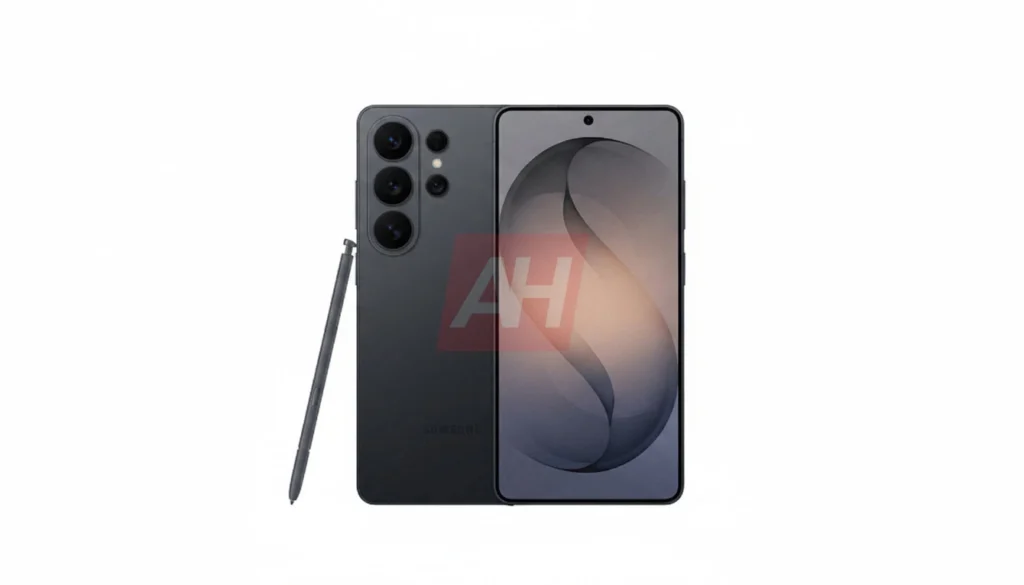
While the Galaxy S27 Ultra is tipped to rely solely on Snapdragon power, the rest of the lineup may take a different route. Current rumors suggest that the Galaxy S27 and Galaxy S27 Plus will be equipped with Samsung’s upcoming Exynos 2600 system-on-chip. This would continue Samsung’s mixed-chip strategy, where regional or model-based differentiation allows the company to balance performance leadership with in-house silicon development.
If these reports hold true, the Galaxy S27 series could represent a refined approach rather than a full transition. The Ultra model would cater to performance enthusiasts with a top-tier Snapdragon solution, while the standard and Plus variants would showcase Samsung’s confidence in its next-generation Exynos platform. As always, more clarity is expected closer to launch, but early indications suggest Samsung is carefully optimizing both performance and supply chain stability for its 2027 flagship lineup.