


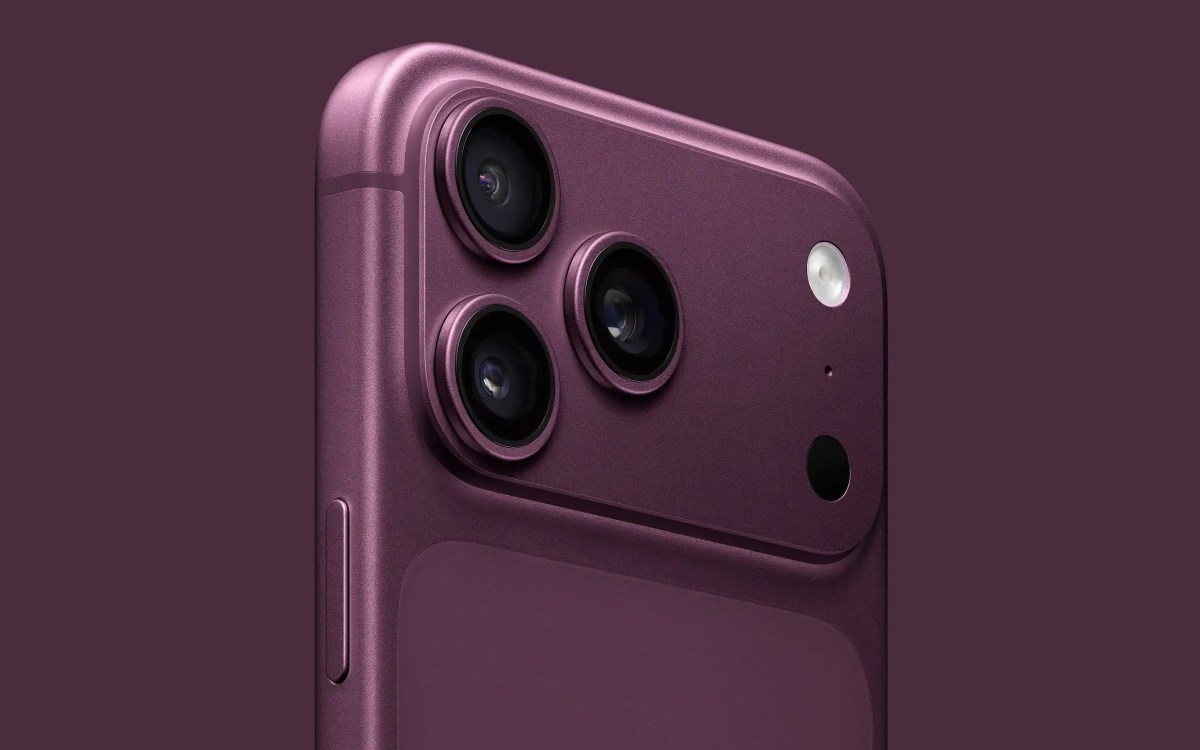
Apple could be preparing a major camera upgrade for the iPhone 20 Pro, which is expected to arrive in 2027. According to a new leak, Apple’s upcoming anniversary iPhone may feature a new main camera sensor with logic circuitry manufactured using a 17-nanometer process. This technology could improve sensor readout speeds, power efficiency, and image processing capabilities. The information comes from well-known leaker Ice Universe, who shared the claim on the Chinese social media platform Weibo.
However, the leak does not reveal the sensor manufacturer, technical specifications, or the exact improvements users can expect.
iPhone 20 Pro Could Get a New 17nm Camera Sensor
Unlike a traditional camera upgrade that focuses on increasing megapixel counts or introducing new lenses, this reported improvement concerns the internal electronics of the camera sensor.
Modern smartphone cameras use advanced stacked CMOS sensor designs. These sensors separate the light-sensitive pixel layer from the logic circuitry responsible for reading and managing image data.
The pixel layer captures incoming light and converts it into electrical signals, while the logic layer handles important operations such as reading pixel information and transferring image data.
Using a more advanced 17nm manufacturing process for this circuitry could allow the sensor to handle data more efficiently. Potential benefits include faster sensor readout, lower power consumption, and improved processing capabilities.
However, these are potential advantages of the technology, not confirmed performance improvements for the iPhone 20 Pro.
Samsung Could Be Involved in Apple’s Camera Upgrade
Interestingly, Samsung has reportedly been developing a similar 17nm Low Power Value (17LPV) manufacturing process for CMOS image sensor circuitry.
This is particularly interesting because Apple and Samsung are also working together on advanced image sensor manufacturing at Samsung’s facility in Austin, Texas.
Previous reports have suggested that their collaboration could involve three-layer stacked image sensors. Such an architecture could help improve how image data is captured and processed.
However, there is currently no confirmation that Samsung’s 17nm technology is the same component mentioned in the latest iPhone 20 Pro leak. The supplier and manufacturing details remain unknown.
What Could This Mean for Photography and Video?
A faster camera sensor could bring several improvements to everyday photography.
For example, faster sensor readout could help the camera capture more frames in less time. This could potentially support higher video frame rates and faster burst photography.
It may also help reduce the time required to transfer image data from the sensor to the iPhone’s image-processing system.
Another important area is power efficiency. If the new circuitry consumes less power, it could help manage the energy demands of advanced camera operations.
Apple also uses specialised sensor-level hardware for security-related functions. Its Reference Image feature involves secure sensor startup and cryptographic signing of pixel data before the operating system accesses the resulting image.
However, the latest leak does not confirm any specific changes to these features.
iPhone 20 Pro Camera Upgrade: What to Expect
Apple is also rumoured to be exploring LOFIC (Lateral Overflow Integration Capacitor) technology for future iPhone cameras. This technology could improve dynamic range by preserving more details in bright and dark areas of photographs.
However, there is no confirmed connection between LOFIC technology and the newly rumoured 17nm sensor.
The iPhone 20 Pro is expected to launch in 2027 as part of Apple’s 20th-anniversary iPhone lineup. Apple has not officially confirmed its name, camera specifications, or release plans.
For now, the 17nm sensor remains an early rumour. If the technology makes it into the final product, it could deliver meaningful improvements behind the scenes, even without increasing the camera’s megapixel count.













Leave a comment