


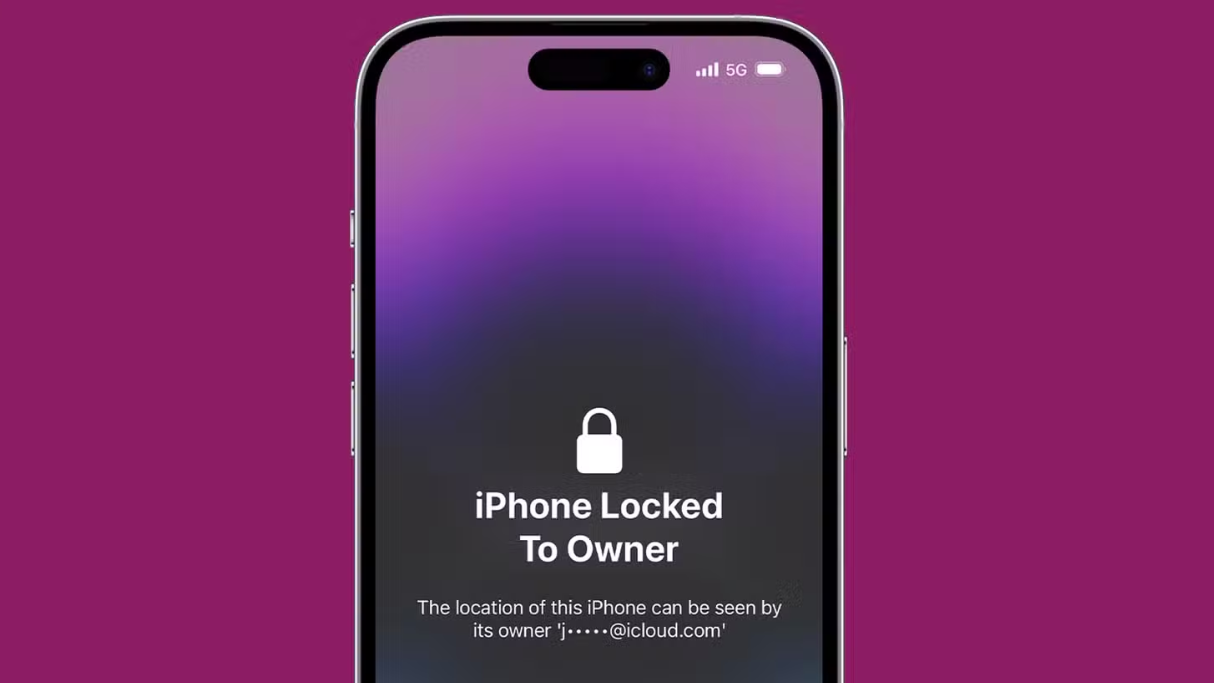
Apple appears to be working on a new iPhone security feature that could automatically lock your iPhone if someone suddenly snatches it from your hand. The feature has not been officially announced yet, but new code found in iOS 27.2 beta 2 reveals more details about how it could work. According to 9to5Mac, Apple is internally testing the feature under the name “AutoLock.” The system could use several signals to decide whether an iPhone has potentially been stolen.
How Apple’s Anti-Snatching Feature Could Work
One of the main signals is sudden movement. If the iPhone detects a sharp acceleration that looks similar to someone quickly pulling the phone away from its owner, it could request an automatic lock.
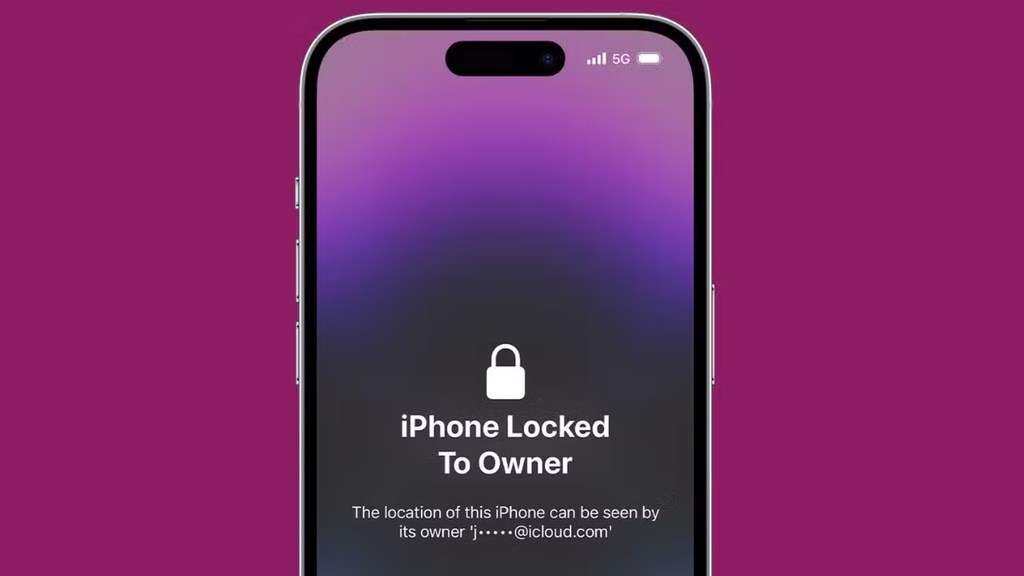
The feature could also work with an Apple Watch. If a paired Apple Watch suddenly becomes unreachable or loses its connection to the iPhone for a certain period, this could be another signal that the phone may have been taken.
Apple is also considering other signals, including prolonged loss of network connectivity and an iPhone remaining unlocked for longer than a specific period. However, Apple appears to be designing AutoLock to avoid unnecessary locks. The system could check additional information before deciding that a theft has actually happened.
For example, successful biometric authentication, such as Face ID, could prevent an automatic lock. Familiar locations and certain activities inside apps may also act as safeguards.
AutoLock Could Use Multiple Signals
Interestingly, the iOS 27.2 beta code suggests that AutoLock may use a kind of voting system. A possible theft signal can request that the iPhone lock, while other trusted signals can cancel or “veto” that request.
This could help reduce false positives, especially when the phone is being used normally.
The feature also appears to include a mechanism that can temporarily reduce repeated automatic locking if the system triggers several lock events.
When Will Apple’s Anti-Snatching Feature Launch?
For now, iPhone users cannot enable AutoLock. The feature is still under development and is not available as a normal setting in iOS 27.2 beta 2. Apple has reportedly enabled part of the AutoLock system in the background for testing, while the component responsible for actually locking the iPhone remains disabled.
This means the feature is still experimental. Apple has not confirmed when, or even if, the anti-snatching feature will become available to the public. If Apple eventually releases it, AutoLock could add another layer of protection against sudden iPhone theft, alongside existing security features such as Stolen Device Protection.








Leave a comment